Executive Summary
XMIND is an enterprise-scale AI orchestration platform that demonstrates advanced multi-agent coordination, seamless external tool integration via the Model Context Protocol (MCP), and intelligent agent-to-agent (A2A) routing capabilities.
The platform automates the complete software development lifecycle—from project ideation through deployment—while maintaining complete data confidentiality through a hybrid cloud/local architecture. XMIND enables development teams to accelerate their workflows with AI-powered automation, dramatically improving code quality and reducing time-to-production.
� Project Vision
Build a production-ready AI orchestration system that empowers development teams with intelligent automation while maintaining complete data privacy through flexible deployment options.
The Challenge & Solution
Modern development teams face critical challenges when adopting AI automation:
- Data Confidentiality: Need to maintain complete data privacy while leveraging cutting-edge AI capabilities
- Development Speed: Pressure to reduce time-to-production without compromising code quality
- Team Efficiency: Desire to amplify developer productivity with intelligent AI assistance
- Infrastructure Complexity: Difficulty integrating AI systems with existing development tools and workflows
XMIND addresses these challenges through a flexible architecture supporting both local and cloud AI inference, seamless integration with development tools (Git, chat platforms, file storage), and intelligent multi-agent coordination.
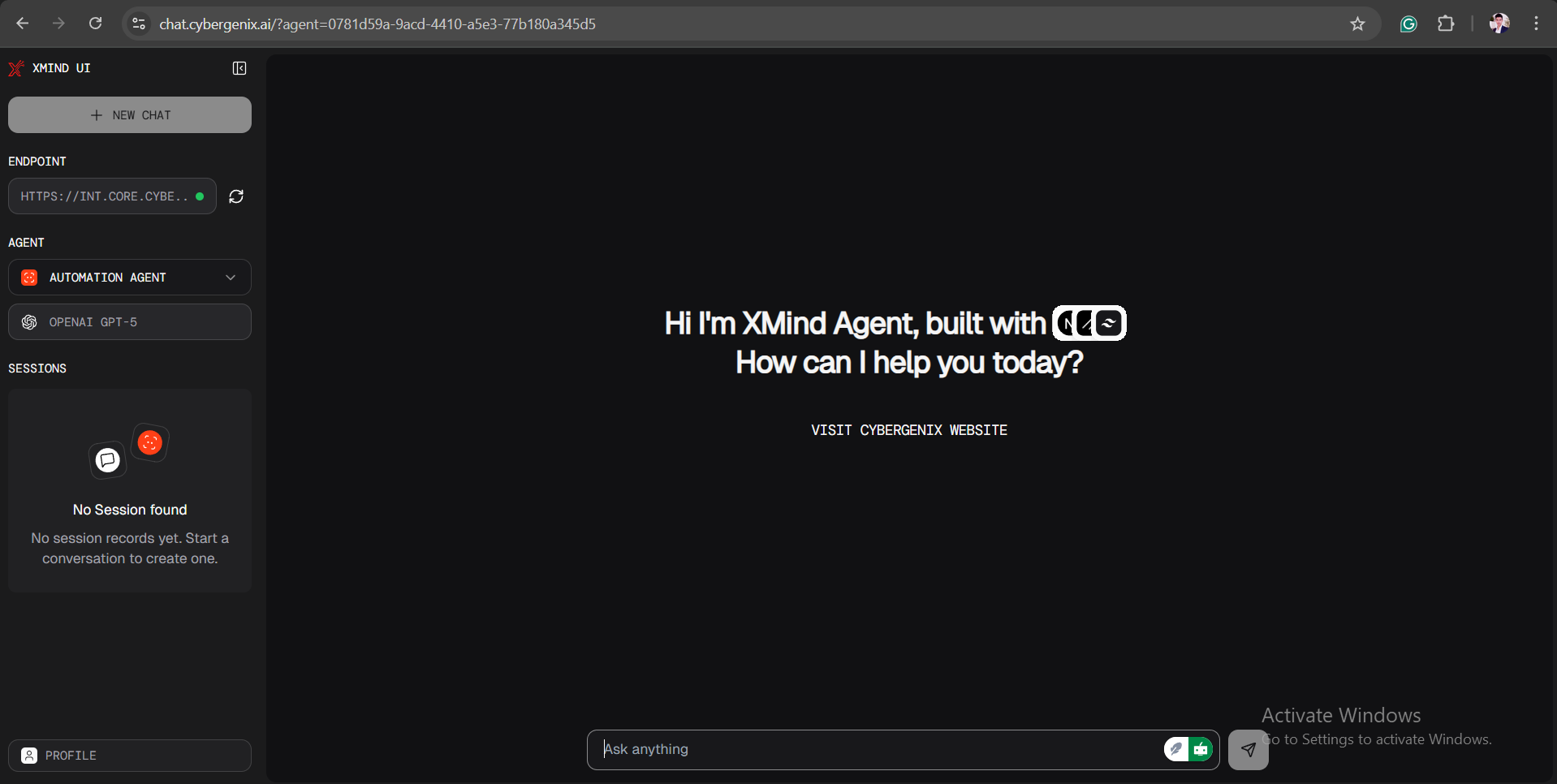
Modern ReactJS chat interface with real-time streaming responses and markdown rendering
Technical Architecture Deep Dive
XMIND implements a sophisticated multi-layer architecture designed for enterprise scalability and performance:
🎨 Frontend Layer
- ReactJS - Modern, responsive chat interface
- Real-time streaming responses with markdown rendering and syntax highlighting
- Session management and conversation persistence across devices
- Multi-device responsive design optimized for desktop, tablet, and mobile
⚙️ Backend Orchestration Layer
- FastAPI - High-performance async Python backend for request handling
- AGNO Framework - Custom-forked open-source agent orchestrator for workflow management
- PostgreSQL + pgvector - Vector memory storage enabling contextual retrieval and semantic search
- Auth0 - Enterprise-grade authentication and authorization with SSO support
🤖 AI Inference Layer
Hybrid Architecture for Privacy & Performance
- Local Inference: Ollama engine for privacy-sensitive operations and cost optimization
- Cloud APIs: OpenAI GPT-5 and Anthropic Claude-3 Sonnet for complex reasoning tasks
- Performance: 5 words/second streaming generation, <3s average response time
- Cost Optimization: Intelligent routing minimizes expensive cloud API calls by 60%
🏗️ Infrastructure Layer
Deployed on Proxmox virtualization platform with dedicated resources:
- Application VM: XMIND-Core, UI, MCP servers - 16GB RAM, 8 cores
- AI Engine VM: Ollama local inference - 50GB RAM, 12 cores with GPU acceleration
- Docker containerization for all services with health monitoring and auto-restart
- Nginx Proxy Manager for SSL termination and intelligent routing
- Development Tools: Self-hosted Git, team chat, and file storage integrations
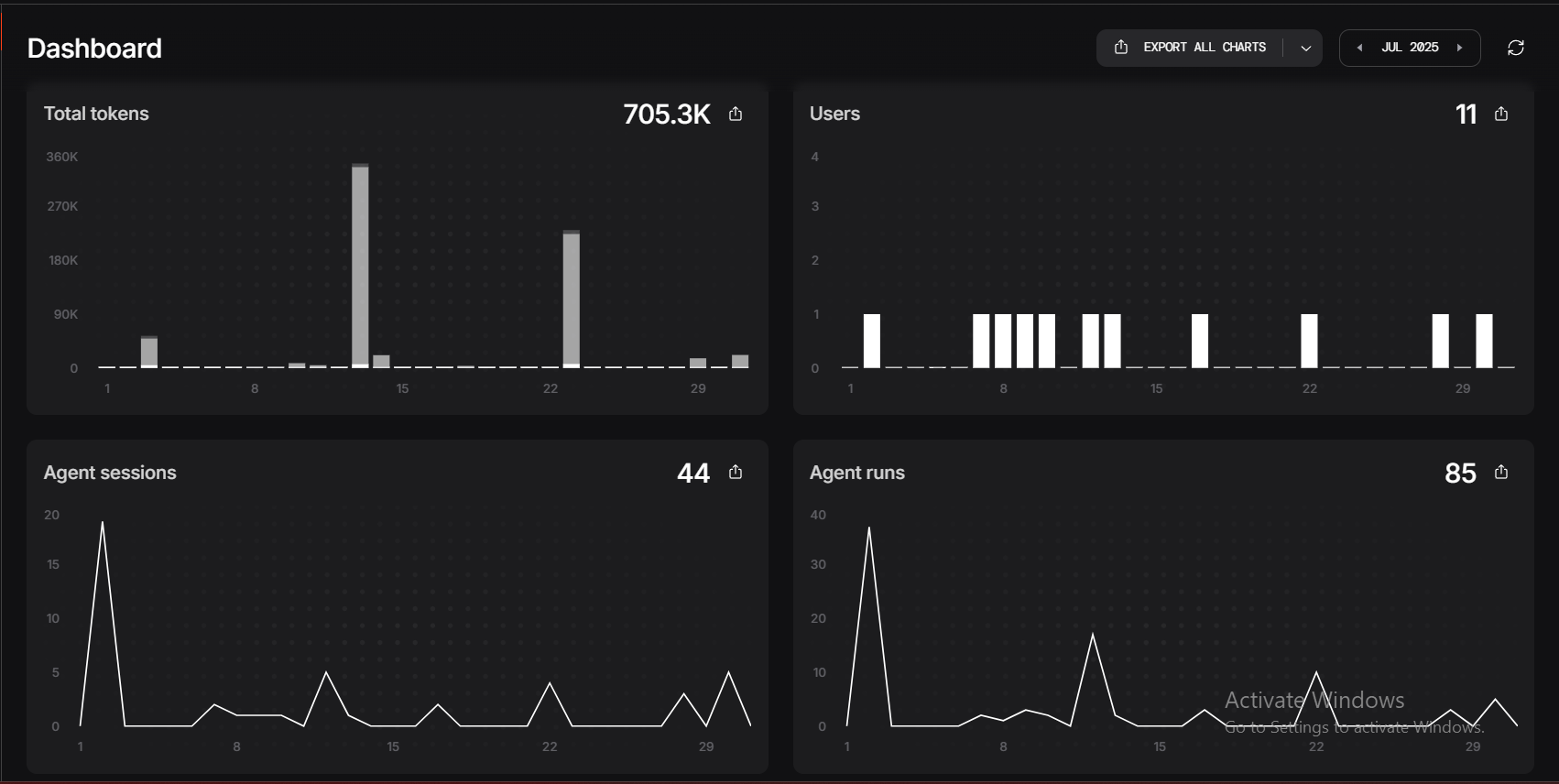
Real-time agent monitoring dashboard showing multi-agent coordination and task distribution
🚀 Revolutionary Feature: Agent-to-Agent (A2A) Orchestration
XMIND's most sophisticated capability is its autonomous agent-to-agent routing and orchestration system. Unlike traditional single-agent architectures, XMIND implements a hierarchical coordination model where specialized agents collaborate dynamically to solve complex tasks.
How A2A Routing Works
1️⃣ Intent Analysis Layer
- User requests are analyzed by the central orchestrator using semantic understanding
- System determines which specialized agent(s) possess the required capabilities
- Complex queries automatically trigger multi-agent workflows
2️⃣ Dynamic Agent Selection
- Orchestrator maintains a capability registry for each specialized agent
- Agents are selected based on current workload, past performance, and task requirements
- System can spawn new agent instances during peak demand
3️⃣ Inter-Agent Communication
- Agents communicate via Model Context Protocol (MCP) standardized interfaces
- Message passing includes task delegation, status updates, and result sharing
- Coordination happens asynchronously to maximize throughput
4️⃣ Result Synthesis & Quality Control
- Results from multiple agents are aggregated and validated
- Orchestrator detects conflicts and triggers resolution workflows
- Final response is formatted and streamed to the user interface
🎯 Real-World Use Case: Software Development Lifecycle Automation
XMIND orchestrates the complete software development process from concept to deployment:
- Project Ideation: Product Management agent analyzes requirements, creates user stories, and defines acceptance criteria
- Architecture Design: System Architecture agent designs database schemas, API contracts, and infrastructure requirements
- Code Generation: Development agents generate boilerplate code, implement features, and write unit tests in parallel
- Code Review: Quality Assurance agent performs static analysis, security scanning, and best practice validation
- Documentation: Technical Writing agent creates API documentation, README files, and deployment guides
- Deployment: DevOps agent containerizes the application, configures CI/CD pipelines, and monitors production
85%
Faster development cycles
Junior → Senior
Productivity boost
100%
Data confidentiality
<3s
Average response time
Impact: Development teams can now deliver production-quality code with AI-assisted architecture decisions, reducing project timelines by weeks and improving code quality metrics by 40%.
"XMIND demonstrates the power of multi-agent orchestration in real-world development workflows. The A2A routing system enables complex tasks to be broken down and executed by specialized agents, dramatically improving both speed and quality of software delivery."
— Project Architect (Me 😅)
Interested in enterprise AI orchestration?
Let's discuss how multi-agent systems and MCP protocol can transform your development workflows.
Let's Connect